GREAT BRITAIN184006 MAY
A penny on paper
The Penny Black becomes valid for postage: the world's first adhesive postage stamp.
The Postal Museum ↗The Correspondence Almanac
Paper · Ink · The postDispatch number zero
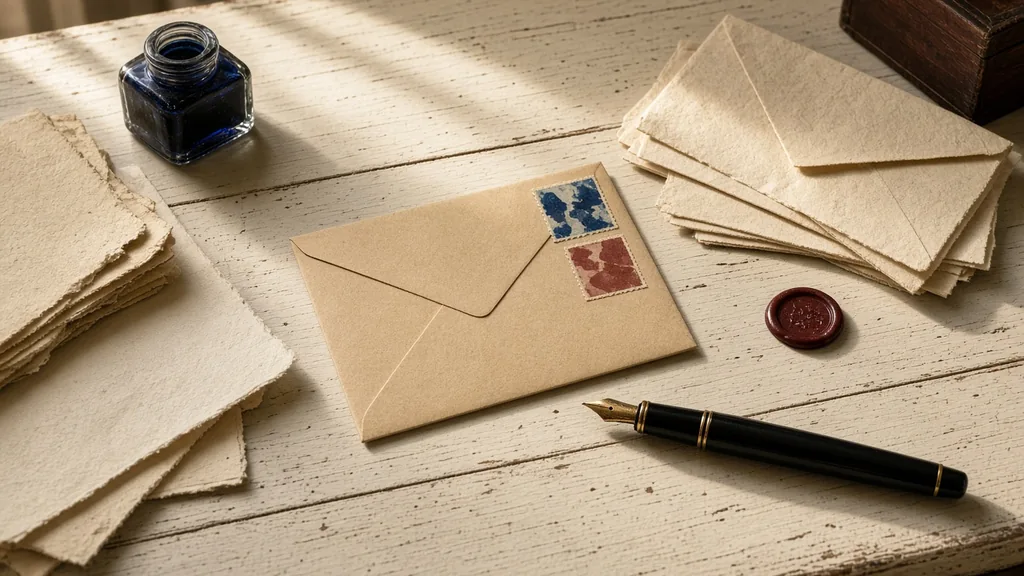
To: the curious correspondent
Re: a small art worth keeping
Letters, stamps, paper and ink.
The ordinary things that carry
something extraordinary.
OPEN HERE — THERE IS ALWAYS ROOM FOR A FIRST LINE
From an idea to an arrival
Seven small gestures. A whole world in between.
A thought finds a line.
Give the page a shape.
Keep the words inside.
Make room in the corner.
A place meets a moment.
Let distance do its work.
Another pair of hands.
A sheet of possibilities
Pull at a perforation. Follow a curiosity.
Each corner opens onto a different part of the post.
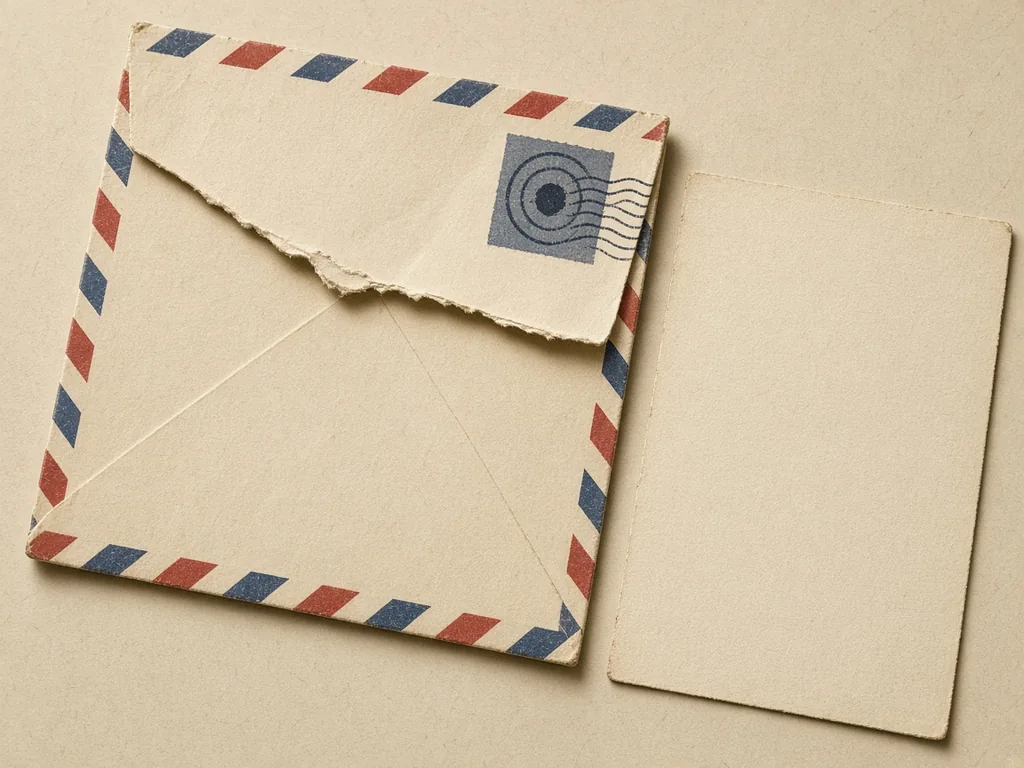
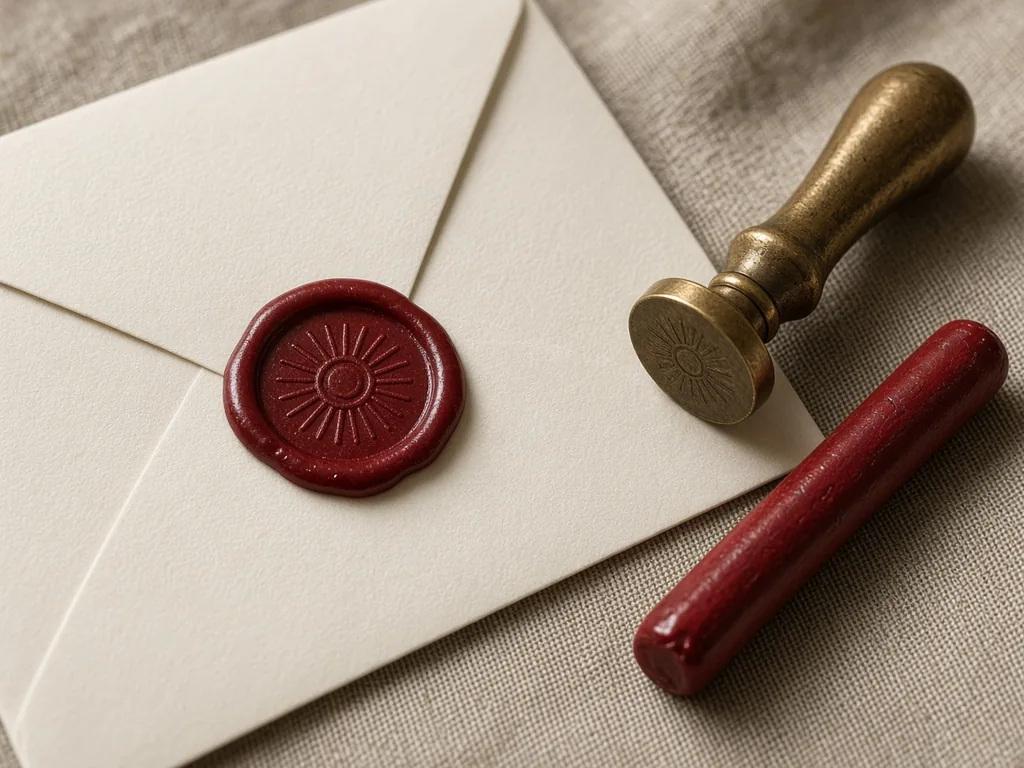
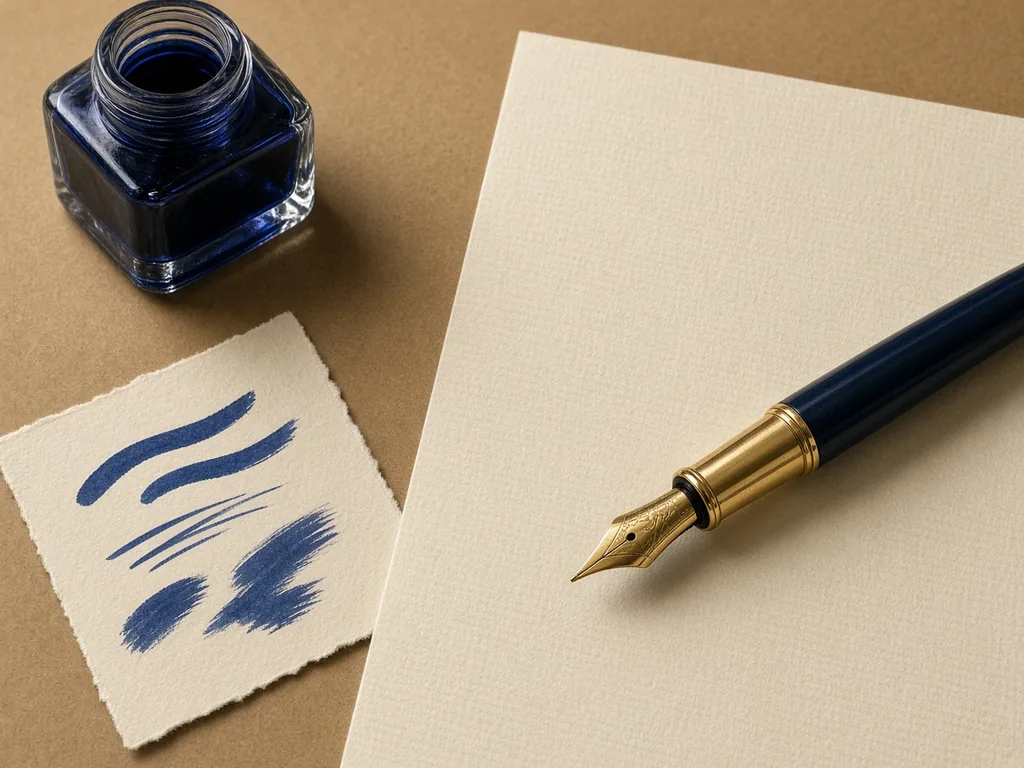
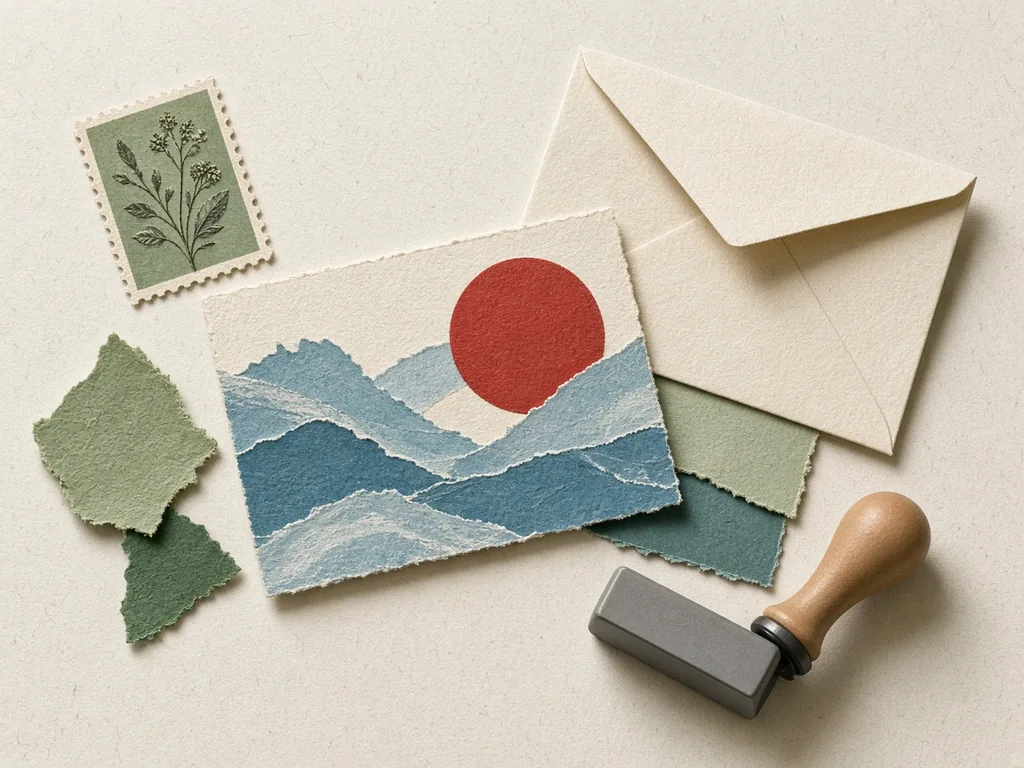
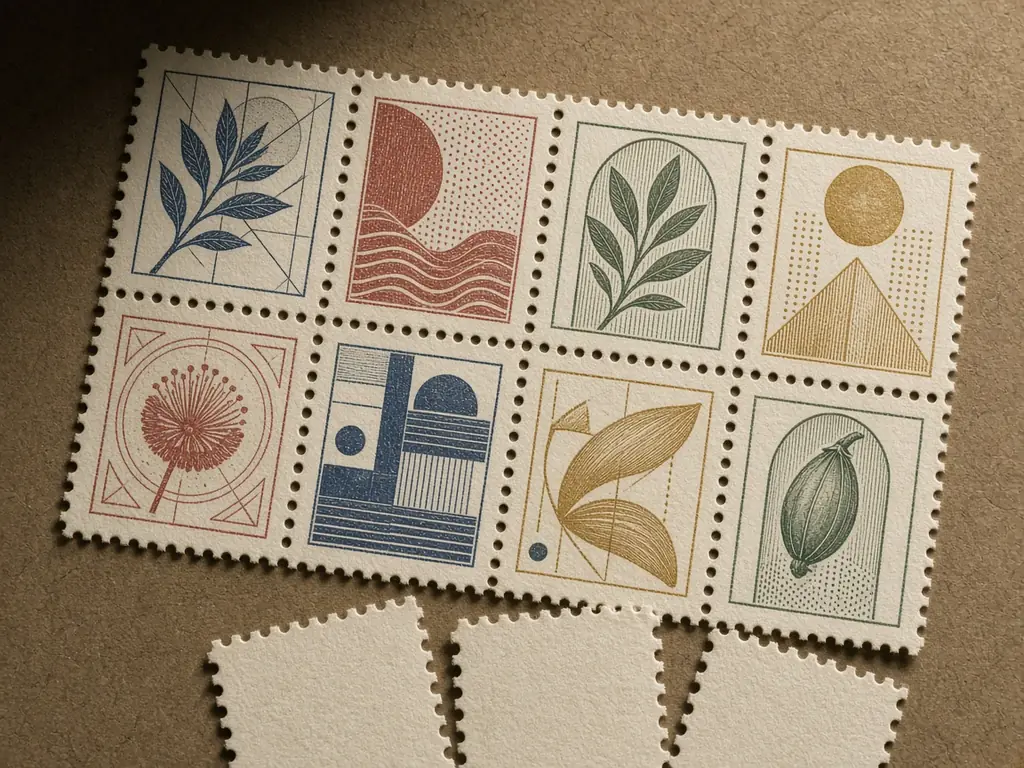
Imagined stamps & studio studies — illustrations made for the almanac.
Reading the outside
An envelope has its own quiet grammar.
A study, not an addressing template. Formats, markings and postage requirements vary by destination.
Four impressions in time
From a small adhesive label to a letter in the air.
A few turning points in a much longer story.
The Penny Black becomes valid for postage: the world's first adhesive postage stamp.
The Postal Museum ↗The postal correspondence card is introduced in Austria-Hungary on 1 October.
Museum collection ↗The Treaty of Bern establishes the General Postal Union, renamed the Universal Postal Union in 1878.
UPU history ↗The first official airmail by airplane flies from Allahabad to Naini in India.
National Postal Museum ↗At the writing desk
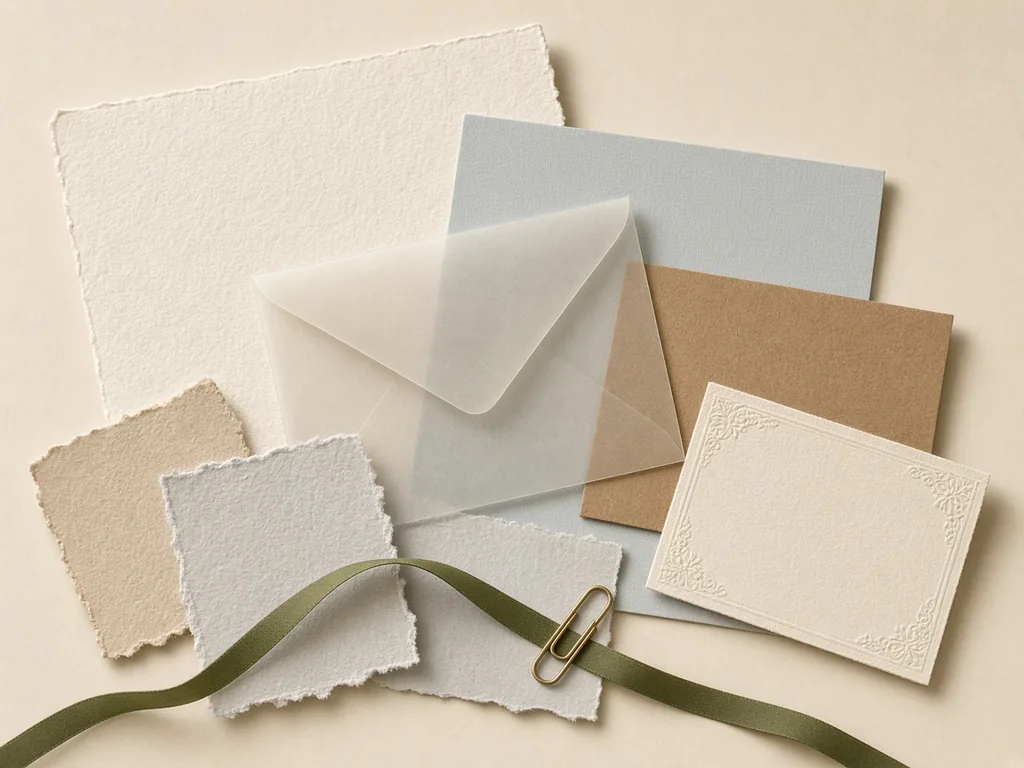
A smooth sheet lets a nib glide. A laid surface slows it down. Paper is part of the voice.
Weight is only one clue. Test an offcut for feathering, show-through and drying time.
Meet paper & ink ↗“Sir, more than kisses,
letters mingle souls”
John Donne · To Sir Henry Wotton
Read the verse letter ↗Between hello & goodbye
In poetry, an envoi is a short concluding stanza addressed to a person or audience. A letter has its own little sending-off: the words just before the signature.
Choose the opening for the person. Choose the closing for the conversation you hope will continue.
Find your first line ↗No perfect formula. Just a fitting tone.
The dead-letter desk
Small questions before the envelope closes.
Begin with something specific: a page you read, a detail from your day, a question you genuinely want to ask. One considered paragraph is a letter.
Use the destination postal operator's current addressing guidance. Keep the address legible and separate it from decoration. Check the country line, postcode format and local requirements before posting.
The upper-right corner is a familiar convention, but use the instructions for your sending service. Leave enough clear space for addressing and machine-applied marks.
A raised seal can catch or break in handling. An outer envelope may help, but thickness and surface rules differ. Ask the accepting postal operator before sending a decorated piece.
No. Start with paper your pen likes and an envelope that fits. An offcut test tells you more than a grand label.
The photographs are original generated illustrations. Their invented study stamps have no postage value; historical facts are linked separately to collection and institutional sources.